

By Katie Markheim, Nebraska Extension Master Gardener Volunteer
June 15 – What’s one of the simplest and effective ways to protect plants in the landscape or garden? Mulch. This is Katie Markheim, Nebraska Extension Master Gardener, here to share some benefits to using mulch. Mulch insulates plants and plant roots during extreme temperature fluctuations while reducing water loss through evaporation. Soil temperature and moisture levels can be regulated throughout the growing season. Be sure to apply mulch to exposed roots, tree trunks, and landscape plants that can be damaged by lawn mowers or trimmers. In those exposed spots, prone to disease, mulch can potentially reduce the transfer of pathogens and rot. Mulch can reduce erosion, especially on steep slopes, while controlling weeds. And if you like to tiptoe through the tulips, mulch walkways are a great way to guide your path without getting in the mud.
June 16 – You might be saying to yourself, mulch sounds like a good thing. But can there be too much of a good thing, like mulch? This is Katie Markheim, Nebraska Extension Master Gardener. I’d love to say yes or no, but the best answer (most often) is, it depends. Mulch depth truly depends on the type of soil, plants, and the mulch itself. The general recommendation is to apply mulch in an even layer 2 to 4 inches thick around woody plants and 1 to 2 inches thick around annual and perennial flowers as well as vegetables. Layers that are too thin may need to be replenished more often and lack the benefits of use. Thicker layers may reduce the amount of oxygen that reaches the soil, causing plants to root in the mulch rather than in the ground. When in doubt, consult your landscape professional or Master Gardener.
June 17 – To use or not to use bagged mulch or bulk mulch, that is the question. This is Katie Markheim, Nebraska Extension Master Gardener. I get it, there are several choices of mulch, from type to color to packaging (or lack thereof) when it comes to picking the right kind for your area. Here are some pros for each type to help make your decision. Mulch of a single type of wood such as pine, cedar or cypress are available. Bags are easy to handle, and the mulch may be free of weeds but is often more expensive. Bulk mulch consists of mixed species (types of wood), is loose and may require more specialized tools and means of transport to its destination. However, bulk mulch may be free in many cities, available through the parks department.
June 18 – Let’s explore what organic mulch options might be suitable for your space. This is Katie Markheim, Nebraska Extension Master Gardener. Organic mulches are derived from plants and include wood chips, shredded or chunked bark, pine needles, grass clippings, leaves, straw, and sawdust. Local suppliers may have unique organic mulches that are byproducts such as soybean hulls, corncobs, shredded alfalfa, or a newer option, sheep wool. Yes, sheep wool. These options are natural, renewable resources that can be effective and sustainable. Organic mulches break down over time, add organic matter to the soil and improve soil structure. In some soil types, organic mulch can even improve water drainage or retention. Aside from needing a refresh now and then, these are a win-win for plants and gardeners alike.
June 19 – Let’s explore what inorganic mulch options might be suitable for your space. This is Katie Markheim, Nebraska Extension Master Gardener. Inorganic mulches are materials that are produced from non-living sources and include both mineral and synthetic products. Inorganic mulches rarely break down, or they break down slowly. Rock is the primary inorganic mulch used. It comes in a variety of sizes, shapes, and colors, including round river rock, lava rock, quartz, granite, gravel or shale chips and fines. You will likely spot rubber mulch as it is becoming popular and widely available in shredded or chunked form. Other options include landscape fabric or plastics. Inorganic mulches only need to be replenished if they work down into the soil or tear. They can be more stable in the elements but can be more difficult to be removed. A major consideration when selecting and using this type of mulch is its tendency to increase reflective heat and soil temperatures.
COLUMN
What’s one of the simplest and most effective ways to protect plants in the landscape or garden? It’s mulch.
Mulch insulates plants and plant roots during extreme temperature fluctuations while reducing water loss through evaporation. Soil temperature and moisture levels can be regulated throughout the growing season. Be sure to apply mulch to exposed roots, tree trunks, and landscape plants that can be damaged by lawn mowers or trimmers. In exposed spots prone to disease, mulch can reduce the transfer of pathogens and rot. Mulch can reduce erosion, especially on steep slopes, control weeds, and create walkways to guide your path without getting in the mud.
When you get ready to mulch, consider that the mulch depth depends on the soil type, plants, and the mulch itself. The general recommendation is to apply mulch in an even layer, 2 to 4 inches thick around woody plants and 1 to 2 inches thick around annual and perennial flowers, as well as vegetables. Layers that are too thin may need to be replenished more often and lack the benefits of use. Thicker layers may reduce the amount of oxygen that reaches the soil, causing plants to root in the mulch rather than in the ground. When in doubt, consult your landscape professional or Master Gardener.
Once you’ve decided on mulching, you’ll have bagged or bulk mulch to choose from. I get it, there are several choices of mulch, from type to color to packaging (or lack thereof) when it comes to picking the right kind for your area. Here are some pros for each type to help make your decision. Mulch of a single type of wood, such as pine, cedar, or cypress, is available and bags are easy to handle. The mulch may be free of weeds but is often more expensive. Bulk mulch consists of mixed species (types of wood), is loose, and may require more specialized tools and means of transport to its destination. However, bulk mulch may be free in many cities, available through the parks department.
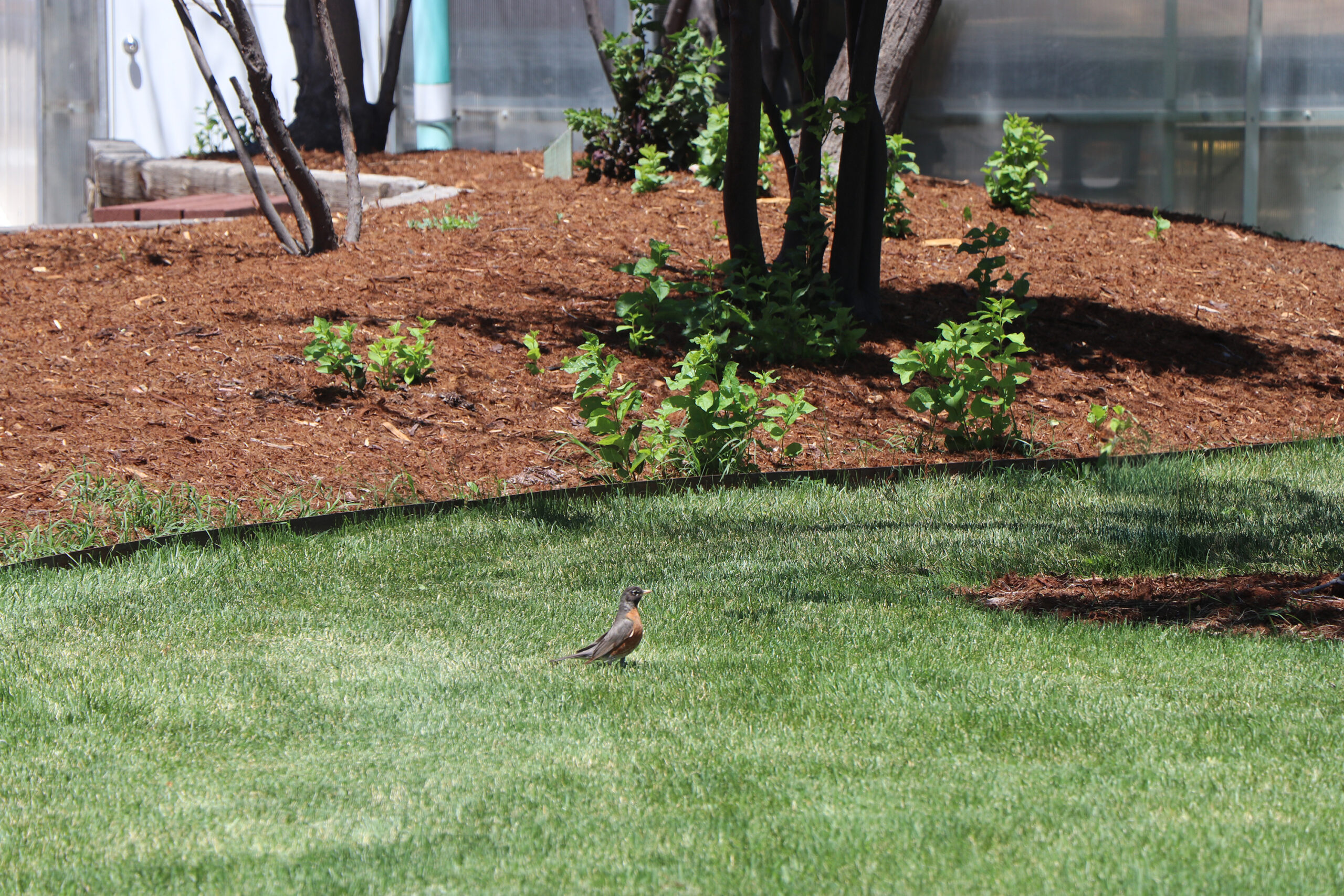
What about organic mulch options? Organic mulches are derived from plants and include wood chips, shredded or chunked bark, pine needles, grass clippings, leaves, straw, and sawdust. Local suppliers may have unique organic mulches that are byproducts, such as soybean hulls, corncobs, shredded alfalfa, or a newer option, sheep wool. Yes, sheep wool. These options are natural, renewable resources that can be effective and sustainable. Organic mulches break down over time, add organic matter to the soil, and improve soil structure. In some soil types, organic mulch can even improve water drainage or retention. Aside from needing a refresh now and then, these are a win-win for plants and gardeners alike.
Organic not your thing, then look into inorganic mulches. These are materials produced from non-living sources, including both mineral and synthetic products. Inorganic mulches rarely break down, or they break down slowly. Rock is the primary inorganic mulch used. It comes in a variety of sizes, shapes, and colors, including round river rock, lava rock, quartz, granite, gravel, or shale chips and fines. You will likely spot rubber mulch as it is becoming popular and widely available in shredded or chunked form. Other options include landscape fabric or plastics. Inorganic mulches only need to be replenished if they work down into the soil or tear. They can be more stable in the elements but can be more difficult to remove. A major consideration when selecting and using this type of mulch is its tendency to increase reflective heat and soil temperatures.
