


By Laurie Zitterkopf, Nebraska Extension Master Gardener Volunteer
June 1 – Celebrate Nebraska Wildflower Week the first week in June, hosted by PlantNebraska! Inspired by a similar national event, the aim of Nebraska Wildflower Week is to increase awareness and appreciation of wildflowers and native plants in the wild and in the landscape through an array of events and activities across Nebraska. National Wildflower Week, which is coordinated by the Lady Bird Johnson Wildflower Center in Texas, is observed in early May.
June 2 – Nebraska Wildflower Week, June 1-7, 2026, Join PlantNebraska as we celebrate Wildflower Week, PlantNebraska will join other statewide organizations to shine the spotlight on the beauty and resilience of our state’s wildflowers. Go to PlantNebraska Wildflower Week Events for a list of additional Wildflower Week events happening across the state. PlantNebraska has great educational resources for planting and selecting native and well adapted plants for your region.
June 3 – A couple or guided hikes in Western Nebraska, Thursday, June 4, 6:30 p.m. to sunset, Sunset Hike at Gilbert Baker Wildlife Management Area, Monroe Canyon Rd., Harrison. a wonderful gem, I can’t wait to see it this spring. Friday, June 5 Guided Wildflower Hike, Scotts Bluff National Monument 2-4 p.m. Go to PlantNebraska Wildflower Week Events for a list of this event and additional Wildflower Week events happening across the state.
June 4 – Part of the prairie mystique is the pure Americana embodied in things that most people have never seen before, and will see nowhere else. Flowers with the old homespun names of rattlesnake master, blazing star, blacksamson, prairie smoke, compass plant, butterfly milkweed, wild indigo, windflower, kittentails, spiderwort, Culver’s root, queen-of-the-prairie, blue-eyed-grass, shooting star, catchfly, and many others, all woven into the fabric of tall grasses in a pioneer quilt of form and color.” John Madson.
June 5 – The idea of using prairie plants in the landscape is still new to many people and the number one concern is how a prairie garden would fit into a well-manicured lawn neighborhood. Happily, by simply providing a mowed edge or a fence next to the prairie so the casual observer knows that this is a planned landscape. Natives can also be used in a more formal setting by using plants with a uniform habit and planting them in a formal, orderly design.
Master Gardeners: Nebraska Wildflower Week is June 1-7
By Laurie Zitterkopf, Nebraska Extension Master Gardener Volunteer
Celebrate Nebraska Wildflower Week, the first week in June, hosted by PlantNebraska and inspired by a similar national event. The aim of Nebraska Wildflower Week is to increase awareness and appreciation of wildflowers and native plants in the wild and in the landscape through an array of events and activities across Nebraska. National Wildflower Week, coordinated by the Lady Bird Johnson Wildflower Center in Texas, is observed in early May. PlantNebraska celebrates Wildflower Week, June 1-7, and we join other statewide organizations to shine the spotlight on the beauty and resilience of our state’s wildflowers.
The idea of using prairie plants in the landscape is still new to many people, and the number one concern is how a prairie garden would fit into a well-manicured lawn neighborhood. Happily, by simply providing a mowed edge or a fence next to the prairie, the casual observer knows that this is a planned landscape. Natives can also be used in a more formal setting by using plants with a uniform habit and planting them in a formal, orderly design.
“Part of the prairie mystique is the pure Americana embodied in things that most people have never seen before, and will see nowhere else,” said John Madson. Flowers with the old homespun names of rattlesnake master, blazing star, black samson, prairie smoke, compass plant, butterfly milkweed, wild indigo, windflower, kittentails, spiderwort, Culver’s root, queen-of-the-prairie, blue-eyed-grass, shooting star, catchfly, and many others take root and provide endless color.
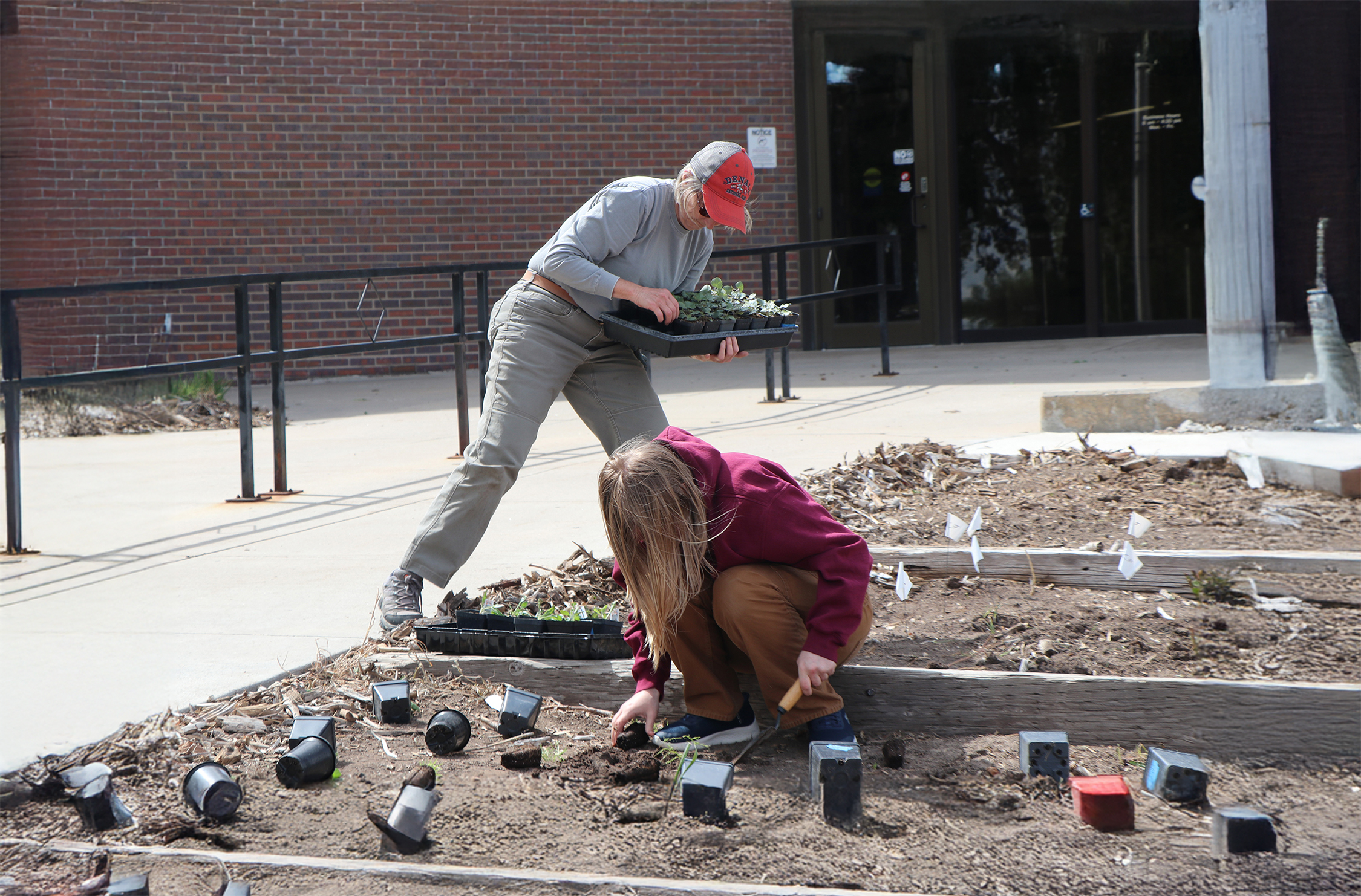
An example is the pollinator garden planted in the spring of 2025. Scotts Bluff County 4-H Youth and Master Gardeners planted the garden in front of the Scotts Bluff County Courthouse, tailored to the butterflies the youth chose to study. When planting a native garden, it usually takes at least three growing seasons to shine. I have been amazed at the results with just one season of growth. The garden was planted heavily to fill in fast; it has done that. As it matures, the goal is to have less maintenance, but there will always be some maintenance to any garden. Stop by, enjoy the garden, and the educational sign.
PlantNebraska has great educational resources for planting and selecting native and well-adapted plants for your region. Visit PlantNebraska Wildflower Week Events for a list of Nebraska Wildflower Week events happening across the state.
